
 English
  Lietuvių
  Latviešu
  Polski
  Português
  Română
  Slovenčina
  Magyar
  Русский
  Espanol
  България
  Čeština
  Italy
Italy  Croatia
  Greek
Greek 
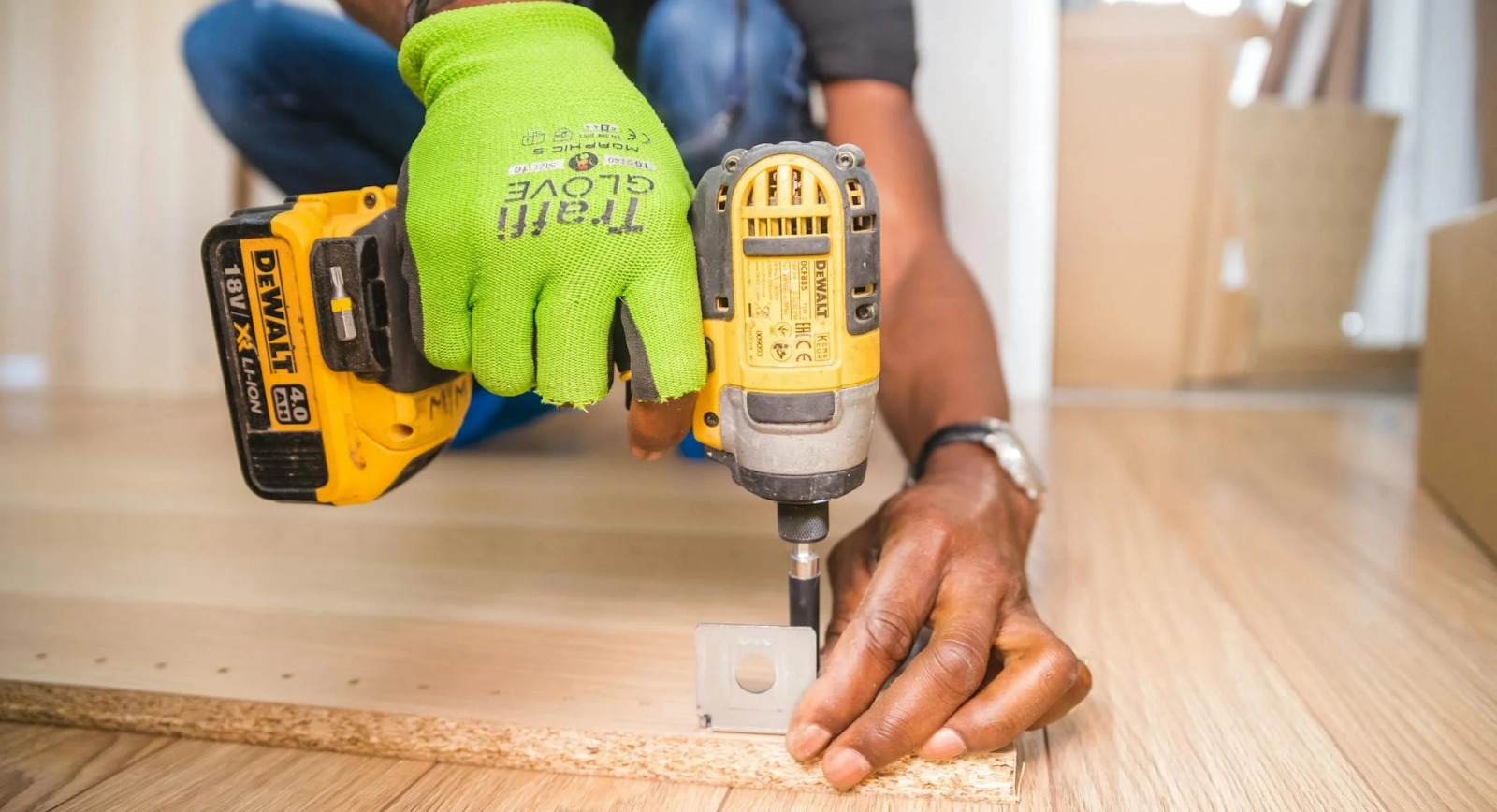
Carpentry is one of the most essential and respected trades in the Netherlands. With the country’s booming construction industry, skilled carpenters (or timmermannen, as they’re called locally) are always in demand. Whether working on new housing projects, furniture making, or renovation work, carpenters enjoy a stable career and competitive income.
In this article, we’ll explore the average carpenter salary in the Netherlands, what affects your wage, and how carpenter pay compares across cities and experience levels. You’ll also see how the Netherlands carpenter salary stacks up against countries like Germany and Belgium.
How Much Are Carpenters Paid in the Netherlands?
So, let’s not sugarcoat things and let’s get straight to the point. The average carpenter salary in the Netherlands is €48,862 gross per year, or about €4,072 per month before taxes.
According to the latest data, carpenter earnings typically range from €35,572 at the lowest end to around €58,439 for the most experienced professionals.
On the other hand, different sources highlight different figures. Some sources state that the average gross salary of a dutch carpenter is €48,862 or around €23/hour. According to their data, entry level experts with only one-three years of experience on average earn €34,912 a year, while senior-level carpenters (8+ years of experience) earn an average salary of €57,356 a year.
If we take the primary market data for 2026, the breakdown of carpenter wages in the Netherlands looks something like this:
| Salary Type | Amount (EUR) |
| Average Annual Gross | €48,862 |
| Average Monthly Gross | €4,072 |
| Lowest Annual Salary | €35,572 |
| Lowest Monthly Salary | €2,964 |
| Highest Annual Salary | €58,439 |
| Highest Monthly Salary | €4,870 |
These figures represent gross income, which includes salary before taxes and social contributions. Your net income will be roughly 75–80% of these amounts, depending on your tax situation.
What Determines Your Carpenter Salary in the Netherlands?
Just as with any other skilled trade, your carpenter salary in the Netherlands depends on several key factors, like years spent working as a carpenter, level of education, your location, and what kind of employer you are working for.
1. Experience Level
Your experience has the biggest impact on how much carpenters make in a year, month, week, or hour. Here’s a breakdown of how average carpenter salaries increase over time:
| Experience Level | Annual Salary (EUR) | Monthly Salary (EUR) |
| 0–2 years | €35,572 EUR | €2,964 EUR |
| 2–5 years | €38,940 EUR | €3,245 EUR |
| 5–10 years | €43,560 EUR | €3,630 EUR |
| 10–15 years | €48,862 EUR | €4,072 EUR |
| 15–20 years | €53,240 EUR | €4,437 EUR |
| 20+ years | €58,439 EUR | €4,870 EUR |
As you can see, a carpenter with 10+ years of experience can earn up to 40% more than a beginner. Senior timmermannen who specialize in areas like furniture craftsmanship or restoration projects can expect even higher pay.
Source: Pexels
2. Education and Training
Your level of education also influences your earning potential as a carpenter in the Netherlands. Even though having finished high school in the trade is a good starting point, you can advance or even start your career through vocational training (MBO). Then on, further certifications can boost wages even more.
| Education Level | Average Annual Salary (EUR) |
| High School | €35,572 EUR |
| Certificate or Diploma | €48,862 EUR |
| Bachelor’s Degree | €58,439 EUR |
In short, the higher your education and skill level, the higher your income. Advanced technical knowledge, blueprint reading, and machine operation can make you stand out in the Dutch labor market.
Please note that having a Bachelor’s degree in carpentry is pretty uncommon. Still, there are specific academic paths that go beyond apprenticeship, and focus on things such as management, advanced construction, and more.
3. Type of Employer
Where you work also plays a big role in your earnings. Here’s a rough estimate regarding the difference based on your employer type:
- Large construction companies: €3,800–€4,800/month. These roles strictly follow the Bouw & Infra collective agreement, offering structured raises, a specialized pension plan (bpfBOUW), and a mandatory 8% holiday allowance.
- Small local firms: Around €3,100–€3,700/month. While these firms offer more flexible schedules, they must still adhere to the 2026 minimum wage and sector-wide CAO standards, which prevents salaries from dipping below the ~€3,000 threshold for full-time professionals.
- ZZP (self-employed) carpenters: Can charge €45–€65 per hour. This leads to significantly higher annual income, but in 2026, self-employed workers must also navigate stricter “false self-employment” regulations (Wet DBA) and higher mandatory disability insurance costs.
- Agency work: Ideal for newcomers because these arrangements often start around €2,964–€3,200/month. While the base pay is near the entry-level average, these roles typically include benefits like housing, international health insurance, and organized travel to the job site.
4. Location
Lastly, the average Netherlands carpenter salary varies between cities as well. In general, carpenters in Amsterdam, Rotterdam, and The Hague earn more than those in smaller towns, largely due to cost of living and construction demand.
To get a better idea, here’s a rough breakdown of the carpenter salaries by city in the Netherlands:
| City | Average Monthly Gross Salary |
| Amsterdam | €3,950 EUR |
| The Hague | €3,790 EUR |
| Rotterdam | €3,740 EUR |
| Utrecht | €3,680 EUR |
| Eindhoven | €3,650 EUR |
| Tilburg | €3,580 EUR |
| Groningen | €3,567 EUR |
Higher salaries in cities like Amsterdam and The Hague reflect the higher housing costs and greater project volumes in these urban areas. Still, keep in mind that these are averages. You may also find a job that pays good wages outside of these cities, where the cost of living is also less expensive.

Source: Pexels
Carpenter Salary in the Netherlands: Gender Comparison
In the Netherlands, the 2026 data for the carpentry trade shows that male carpenters earn an average of €48,862 gross per year, while female carpenters earn approximately €44,140.
The current pay gap in the sector stands at roughly 10%. This gap continues to narrow as more women join skilled construction trades and employers focus on equal pay policies, particularly as the EU Pay Transparency Directive begins to take full effect across Dutch legislation in June 2026.
Carpenter Pay Raises and Bonuses
According to Dutch salary data, carpenters in the Netherlands receive an average pay raise of 7% every 16 months.
While this is slightly below the national average, carpenters often gain faster salary growth during their first 5–10 years.
When it comes to bonuses:
- Around 30% of carpenters report receiving one annually.
- The typical bonus range is 1–3% of yearly income.
- Bonuses are most common in industrial carpentry, shipbuilding, and specialized joinery.
Disclaimer on Salary ExpectationsAt Robin.jobs, we aim to give you the clearest possible picture of what to expect when working abroad. While the average salaries in Germany discussed in this article reflect national data from official sources, the wages listed in our vacancies may vary. However, it’s important to consider the full picture: our job offers typically come with low -cost accommodation. While accommodation isn’t free, it is typically below market rates and arranged by our partner agencies abroad. This ensures candidates have a secure place to stay as they begin settling into a new country and job. These benefits significantly reduce your monthly expenses and often allow you to save more than you could with a higher salary in a big city with high living costs. We focus on legal, reliable, and fair work opportunities, helping you start earning from day one, without the financial burden of high rent, long commutes, or upfront costs. |
Working Conditions and Legal Context
Dutch construction workers, including carpenters, are covered by the CAO (Collective Labour Agreement). This ensures fair wages, paid leave, pension contributions, and overtime pay.
A typical full-time carpenter in the Netherlands works 37–40 hours per week, with paid
overtime calculated as:
- +50% for weekdays
- +100% for weekends
- +200% for public holidays
Workers also receive 8% holiday allowance (vakantiegeld), paid in May or June, which can add around €1,800–€2,000 per year to your income.
Carpenter Salary in Netherlands vs Germany
If you’re comparing pay across borders, here’s what to know:
| Country | Average Monthly Salary (Gross) | Average Hourly Salary |
| Germany | €1,878 | €21/hour |
| Netherlands | €4,000–€4,600 | €27/hour |
So while the carpenter salary in Germany per month is higher, many foreign workers choose the Netherlands because of better work-life balance, safer conditions, and faster job access through agencies.

Source: Pexels
Understanding Agency Jobs and Your Carpenter Salary
Many international workers find their first carpentry job in the Netherlands through employment agencies. While agency roles may advertise slightly lower base pay, they often include major financial benefits like:
- Affordable housing: This is a major advantage for those who are clearly coming to work to save up money. Typically, housing through agencies will cost a worker €150/week. Conversely, privately owned housing and other traditional renting arrangements may vary from €800 to €1,500 per month.
- Work permits and insurance arranged: While EU citizens can travel and work abroad without the hassle, there are still some bureaucratic logistics involved. With an agency, these problems are easily bypassed and taken care of.
- Transportation to work provided: From getting a bike to company cars and vans, people who work through agencies will often enjoy organised transportation to and back to the workplace.
- Tools and equipment covered: In most cases, the agency will also provide the necessary safety equipment and other tools to get started.
That means your take-home pay can actually be higher than independent positions when you factor in living cost savings.
Robin Jobs helps foreign carpenters connect directly with Dutch agencies and employers, handle paperwork, and ensure transparent contracts so you can start working (and earning) faster.
Find Your Next Carpenter Job in the Netherlands
With growing construction demand, rising infrastructure projects, and strong employment protections, carpenters continue to earn stable and rewarding incomes in the Netherlands.
If you’re a skilled worker looking to build your future abroad, Robin Jobs can connect you with trusted Dutch employers offering fair wages, safe housing, and reliable job placements.
Join over 40,000 workers who’ve already found work abroad. Create your free profile today and start your next job as a carpenter in the Netherlands!