
 English
  Lietuvių
  Latviešu
  Polski
  Português
  Română
  Slovenčina
  Magyar
  Русский
  Espanol
  България
  Čeština
  Italy
Italy  Croatia
  Greek
Greek 
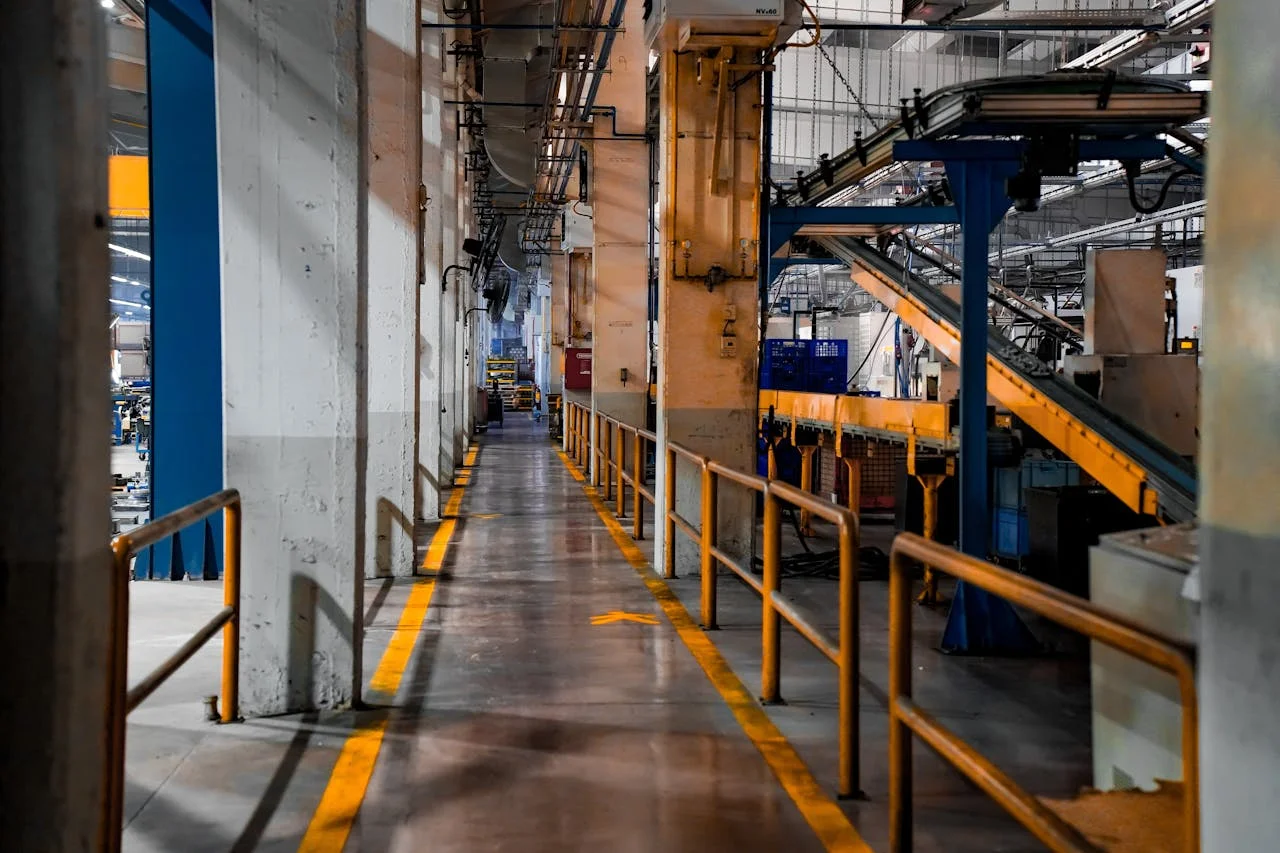
The assembly line is a manufacturing system that helps the production or creation of a product in a sequential process, moving the materials (i.e., the product) from station to station. Many credit the invention and adaptation of the line to Henry Ford, however, some claim that Ransom Olds was the first to use the system.
No matter the inventor, the assembly line remains the main lifeline of manufacturing in most modern factories. Nowadays, it frequently consists of a blend of professionals and machines working together on mass operations. In this article, we are taking a deeper look into the roles production facilities offer to people who are thinking about joining the production floor.
What Does an Assembly Line Worker Do?
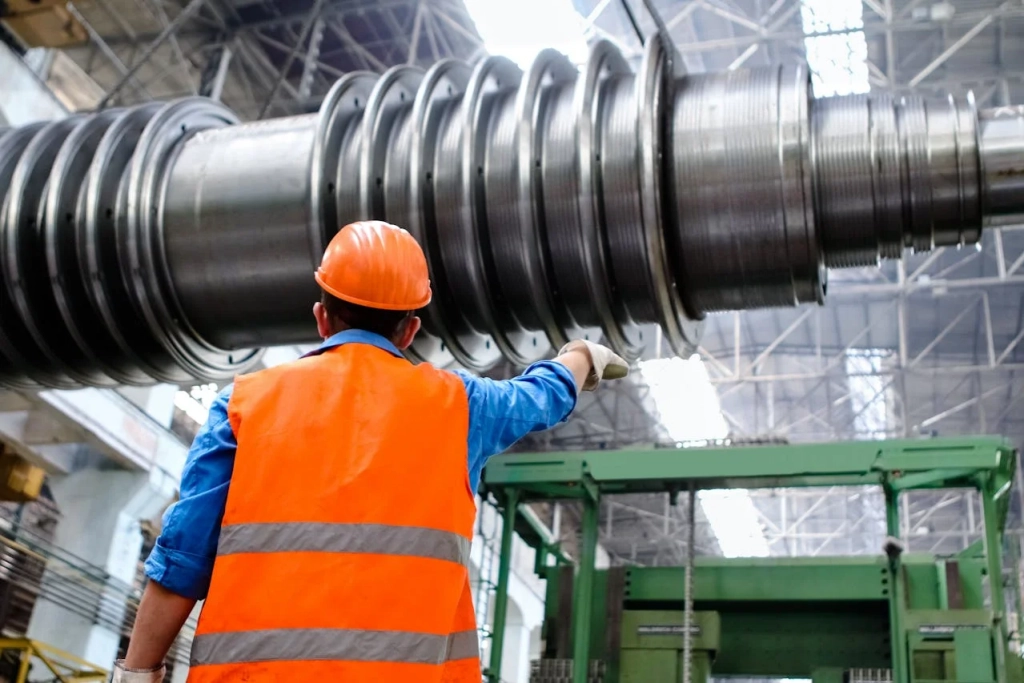
Assembly line workers take part in the production process, often pertaining to performing a singular, repetitive task in a long production line. From automotive to electronics manufacturing, workers put together the various smaller parts of specific products. They either work with their hands or use a variety of machines and tools to screw, weld, or trim the different parts together.
Apart from putting together these various product fragments, they also perform the following duties:
- Quality Checks: Assembly line workers regularly check the quality of different processes and parts to ensure that they deliver quality at the end.
- Reading Schematics: Assembling products comes with blueprints, instructions, or specific schematics that workers need to follow to manufacture consistent products.
- Inventory Tracking: Employees also track inventory of the raw materials and parts they need for production and report any shortages higher-ups who put in restocking orders.
- Equipment Maintenance: Some professionals on the line also perform maintenance checks and repairs on the machinery they use. They may also just generate reports for their managers.
- Work Reports: Assembly line workers may also create reports about their progress, or the tools and machines they operate.
- Environment Maintenance: Assembly line workers also clean their workspace during their shifts. They may also power down and disassemble (if needed) parts of the machinery they use at the end of the workday.
Source: Pexels
Getting an Assembly Line Role: What You Need To Know.
Now that you know what an assembly line worker is, let’s move on to the necessities that come from an assembly line job.
Finish High School or Earn a VMBO-T Diploma
Earning a high-school diploma is enough for your employers to assess your general skill levels, maturity, and knowledge. This is also enough to show that you have the intellectual capacity and level of commitment to perform the tasks and use the tools required in the assembly line.
In the Netherlands, having a VMBO-T Diploma may also serve as an alternative to a high-school-level education.
Take a Close Look at Your Options
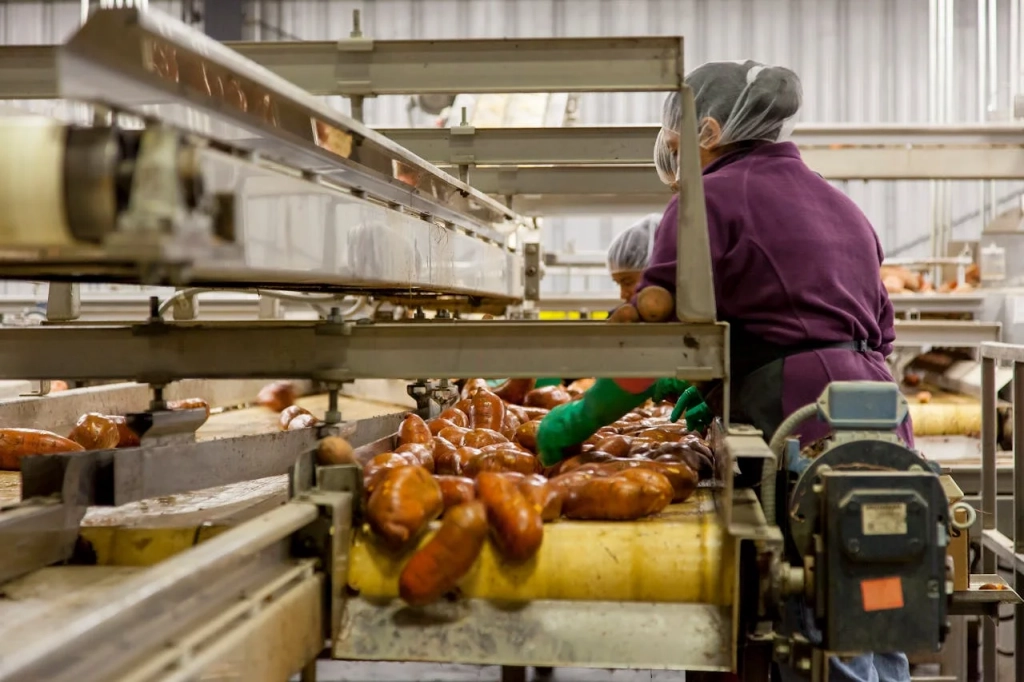
Assembly lines are present in a variety of industries, from food processing, to consumer goods, automation, robotics, and the production of heavy machinery, and even medical devices.
Each of these positions require specified skills and certifications. Researching these jobs and the entailed processes can help you get a better idea of what is required from you and where you’d fit in the most. It can also help you specialise down the road for an assembly line position with better hourly wages.
Skill Development
As mentioned, specific roles often require specific skills. If you’ve already made up your mind to work in, let’s say, the automotive industry, develop the necessary skills and highlight them in your resume.
Other common skills may include:
- Physical Fitness: This refers to performing the necessary activities, such as picking up and operating heavier tools.
- Hand-eye Coordination: This means performing tasks that require you to simultaneously use your hands and eyes.
- Communication Skills: This usually involves being a team player and interpreting the written and verbal instructions of coworkers and supervisors.
- Understanding Schematics: Knowing how to read assembly instructions is among the top skills you need to develop for this role and to ensure product consistency.
- Stamina: Having enough stamina to stand for most of your workshift next to the production line is often a must.
- Developing Technical Skills: This usually pertains to knowing how to use the tools and machines in the line.
Once you’ve set which skills you want to develop, you can decide your specialisation, giving you a chance to expand your career in a specific industry that you’re passionate about.
Source: Pexels
Apply for An Entry-Level Assembly Job
Once you know the industry you want to work in and the skills you need, you can start applying for entry-level positions. Create a resume that highlights your skills, education, and previous work experience.
You can see what’s available on job boards, LinkedIn, or specialised platforms such as Robin. We work with blue-collar employers across the Netherlands, Belgium, and Germany. These employers offer various roles with competitive wages, benefits, and even accommodation.
Expand Your Career
If you are serious about your industry and job, look for a position that offers on-the-job training. This offers you a chance to learn the ins and outs of the position, obtain valuable insights, which will eventually become work experience.
Once you have the necessary experience, consider getting certificates that help you achieve your specialisation goals. This can mean general things like safety certificates, management, or operator certifications. You can also be more specific and work towards getting welding certifications, repair certificates, and more.
If you are really serious about your career path, you may also pursue getting an AD (associate’s degree), which can be for different majors. This not only looks good on your resume, but may lead to better career opportunities, and offers you even more professional insight.
Assembly Line Role Examples
What’s left to talk about is actual assembly line positions you can apply for.
Assembler
As the name suggests, these experts produce the necessary components for a given product and assemble its smaller parts. In this role, you’ll often need to use smaller machines and tools to put the smaller pieces together. You work with the help of specified blueprints to ensure consistency and quality across the board.
Production Operator
Production operators handle and often maintain the manufacturing machines in the production line. They conduct regular inspections to ensure the safety and the orderly function of the equipment.
Inspector
Production operators may inspect the assembly line equipment but inspectors are the experts that scrutinize the products coming off the line to see whether they comply with the necessary standards. They make assessments, review and compare the product to existing records, and generate new records and reports to avoid the deterioration of the products in the production pipeline over time. They are usually responsible for the implementation of updated production protocols and policies as well.
Machine Operator
Machine operators work with the heavy machinery on the assembly line to manufacture the specific product. Their work involves following the company’s guidelines to produce the parts and inspect the equipment from time to time to ensure safety and efficiency. They may also keep track of the state of the machines for maintenance purposes.
Stocking Associate
These employees are responsible for obtaining the raw materials for the assembly line that their coworkers need to complete various parts of the entire pipeline. They usually receive the raw resources and make a quality check on them before distributing them across the production pipeline. Often, associates work with inventory managers to keep track of material use.
Operations Supervisor
These experts are responsible for the coordination of the people working on the assembly line. This coordination may mean organising the cleaning schedule, task management, or scheduling quality checks, machine repairs, and maintenance. They are also involved in relevant employee communications, often ensuring work safety and a conflict-free environment.

Source: Pexels
Assembly Operator
Assembly operators build products with the help of the company-provided instructions and blueprints. They may assemble products or machinery and look for any faults that may hinder the production process or product quality. As such, they also are the ones who report faulty operations, product issues, or faulty operations on the assembly line to the higher-ups.
Find Your Next Job With The Help of Robin
Starting your career abroad as an assembly line employee shouldn’t have to be a hassle. Robin specialises in connecting motivated workers with blue-collar employers in the Netherlands, Belgium, and Germany. There are various roles available, all with competitive wages, benefits, and guaranteed accommodation.
If you are ready to make your next move, start your new chapter by creating your profile on our platform. We wish you a successful job hunt!