
 English
  Lietuvių
  Latviešu
  Polski
  Português
  Română
  Slovenčina
  Magyar
  Русский
  Espanol
  България
  Čeština
  Italy
Italy  Croatia
  Greek
Greek 

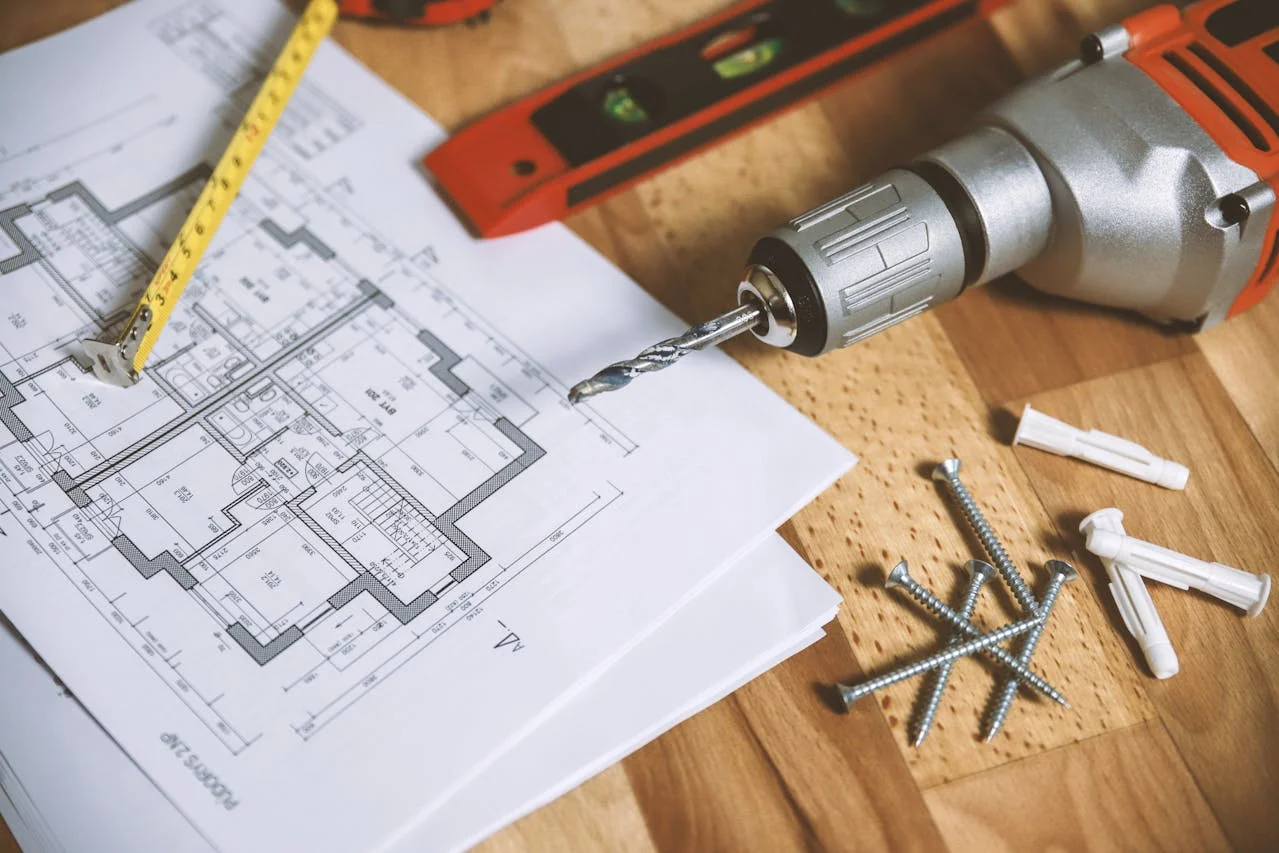
Carpentry, known as Zimmermann (structural) or Tischler (joiner/cabinetmaker) in Germany, is a deeply respected and essential skilled trade. Germany’s strong manufacturing, construction, and craft sectors ensure that experienced woodworkers are consistently in high demand across the country.
If you want to become a carpenter in Germany, chances are, you will have a stable career path that’s further backed by strong labor law and clear wage structures defined by collective bargaining agreements (Tarifvertrag).
In this article, we’ll be talking about the average carpenter salary in Germany, what key factors influence your carpenter wage, and how pay can differ based on location, experience, and educational qualifications.
How Much Does a Carpenter Earn in Germany?
The question still begs to be answered: How much are carpenters paid in Germany? The answer varies significantly depending on the data source, specialization, and methodology used, but generally falls into two primary ranges.
- Broad National Survey Data (Carpenter & Joiner): According to comprehensive salary surveys for the “Carpenter & Joiner” profession nationwide, the average carpenter salary in Germany is approximately €48,768 gross per year, which translates to an hourly wage of about €23.45/hr.
- Localized/Regional Data: Other localized data points, such as those focusing on specific regions or entry-level positions, show a lower average. For instance, data focused on a major city like Munich shows a general average closer to €15,920 annually (or about €1,326 per month).
This wide gap highlights that the term “carpenter” covers a spectrum from construction site workers (Zimmermann) bound by the Mindestlohn Baugewerbe (construction minimum wage) to highly specialized Schreiner (joiners) in high-end manufacturing.
That said, the overall range for a full-time professional can span from the lowest average of about €7,080 to a senior annual salary of up to €59,535.
| Metric | National Average | Localized Data (Munich) |
| Average Annual Gross | €48,768 | €15,920 |
| Average Monthly Gross | €4,064 | €1,326 |
| Average Hourly Rate | €23.45 | N/A |
| Median Annual Salary | N/A | €17,560 |
| Average Annual Bonus | €1,492 | N/A |
These figures represent Brutto Lohn (gross income). Your Netto Lohn (net income) will be lower after mandatory German social security contributions and income tax are deducted.
Understanding the Salary Discrepancy
There’s a notable disparity between the reported average salaries of a carpenter. The localised salary of €15,920 seems way underwhelming when compared to the reported national average of €48,768, requiring closer examination.
According to experts, the difference is primarily due to the scope of trade definition. The lower figure often reflects the base wage for entry-level workers and structural carpenters (Zimmermann) whose pay is closely tied to the construction collective agreement (Tarifvertrag Baugewerbe).
Conversely, the significantly higher figures for carpenter & joiners often include senior professionals, highly specialized joiners (Tischler) in high-end manufacturing, and those who have achieved the Meistergehalt (Master craftsperson) status, skewing the overall national average upwards.
Therefore, a beginner’s take-home pay (Netto Lohn) will be much closer to the lower estimate, while an experienced specialist will aim for the higher end of the spectrum.
What Determines Your Carpenter Salary in Germany?
The final germany carpenter salary you receive is influenced by several key factors, including your specialization, education, collective agreements (Tarifvertrag Baugewerbe), and location.
Source: Pexels
Experience Level
How much does a carpenter make who’s been in the trade for years? It’s only natural that the number of years you’ve spent working as an erfahrener Zimmermann has the largest impact on your paycheck. Carpenters with less than two years of experience typically fall within the entry-level salary range, but pay increases significantly as you move into the Journeyman (Geselle) and Master (Meister) stages.
To be more specific, the national survey data indicates:
- An entry level carpenter or joiner (1-3 years of experience) earns an average of €35,820 annually.
- A senior Level professional (8+ years of experience) earns an average of €59,535 annually.
A more granular regional view of salary progression (concentrating mainly on Munich) shows the following typical increases:
| Experience Level | Annual Salary (EUR) | Monthly Salary (EUR) |
| 0–2 years | €9,460 | €788 |
| 2–5 years | €13,780 | €1,148 |
| 5–10 years | €19,640 | €1,637 |
| 10–15 years | €20,460 | €1,705 |
| 20+ years | €27,380 | €2,281 |
2. Education and Training
Like most of Europe, the German system also heavily emphasises vocational training (Ausbildung Gehalt Tischler). A finished apprenticeship and the resulting Geselle Lohn are the standard expectation for the role. Achieving the master craftsperson (Meistergehalt) qualification can significantly boost your carpenter average salary and open doors to management or self-employment.
While many workers enter the trade with a high school degree or less, achieving a Certificate or Diploma level significantly raises earning potential. Again, here’s a breakdown that shows the earning potential in the Munich area based on training and education:
| Education Level | Average Annual Salary (EUR) |
| High School | €10,000 |
| Certificate or Diploma / Associate | €15,300 |
| Bachelor’s Degree | €24,200 |
National education data shows that the majority of carpenters hold a High School (67%) or Associate degree (36% in one survey, 12% in another), emphasizing that professional experience and specific certifications often trump academic degrees in this trade.
3. Geographical Variation
Just by looking at the figures for Munich, it’s easy to see that Germany exhibits notable regional salary differences. These often correspond to the cost of living and economic strength, particularly between the former East and West regions. Generally, high-cost-of-living cities in the West and South pay higher wages.
Here is a breakdown of carpenter salaries by city in Germany:
| City | Average Annual Salary (EUR) |
| Berlin | €18,900 |
| Bremen | €16,920 |
| Dortmund | €16,400 |
| Düsseldorf | €18,160 |
| Frankfurt | €17,450 |
| Hamburg | €17,760 |
| München (Munich) | €15,920 |
| Stuttgart | €16,970 |
The variations, often driven by local construction demand, are a key factor when calculating the final carpenter salary in Germany per month.
4. Salary Potential and Future Growth
Based on compensation data analysis, the estimated salary potential for a Carpenter & Joiner is projected to increase by 11% over the next 5 years, reaching approximately €54,373 by 2030. This reflects sustained demand for skilled labor and salary progression within the trade.
Disclaimer on Salary ExpectationsAt Robin.jobs, we aim to give you the clearest possible picture of what to expect when working abroad. While the average salaries in Germany discussed in this article reflect national data from official sources, the wages listed in our vacancies may vary. However, it’s important to consider the full picture: our job offers typically come with low -cost accommodation. While accommodation isn’t free, it is typically below market rates and arranged by our partner agencies abroad. This ensures candidates have a secure place to stay as they begin settling into a new country and job. These benefits significantly reduce your monthly expenses and often allow you to save more than you could with a higher salary in a big city with high living costs. We focus on legal, reliable, and fair work opportunities, helping you start earning from day one, without the financial burden of high rent, long commutes, or upfront costs. |
Salary Details: Gender and Bonuses
Gender Comparison
Data shows a persistent, though narrowing, gap in pay. A male carpenter in Munich earns an average of €16,720, while a female carpenter earns around €15,760. This 6% difference is consistent across many regions and professions, but employers are increasingly focusing on equal pay policies.
On the scale of the country, the gap is even bigger. When looking at all jobs and roles, the gender pay gap stood around 16% nationwide, with Berlin leading at 17%. In eastern regions, the differences were significantly lower (5% on average).
Bonuses and Incentives
Carpentry is generally considered a low bonus-based job.
- The average bonus is around €1,492 annually (or €1,357 EUR according to similar data sets).
- Approximately 35% of professionals in the field report receiving at least one bonus in the last 12 months.
- Bonuses are most common in industrial carpentry or specialized joinery, where performance can be tied to project completion or efficiency.
That being said, regarding bonuses, a lot depends on where you work. A small, private workshop might offer less allowances in the form of shift bonuses, but might offer higher wages in general. Also, industrial companies may offer those benefits, but usually performance evaluations are more focused on efficiency and project completion timelines.
Working Conditions and Legal Context
Working as a carpenter in Germany is heavily regulated by the Tarifvertrag Baugewerbe (Collective Agreement) and robust German labor law. This provides essential protections:
- Employment Contract Germany: Most carpenters are covered by collective agreements (like the CA-Tarifvertrag), which ensures fair wages for woodworkers in Germany, paid leave, pension contributions, and clearly defined working hours (Arbeitszeit) and overtime pay.
- Social Security: Mandatory deductions cover social security contributions for health insurance, unemployment insurance, and a generous state pension scheme.
- Self-Employment: For Selbstständiger Tischler Stundenlohn (freelance rates), while the hourly rate is high, freelancers must be careful to avoid Scheinselbständigkeit (false self-employment risk) and manage all their own taxes and insurance.
Source: Pexels
Related Trades & Comparison
When asking how much do carpenters make a year, it’s helpful to see where they sit among comparable trades. Skilled trades wages like plumber salary Germany, electrician pay, or roofer salary are often similar, but specialization (like CNC wood technician salary) or project size (large construction vs. small craft business) can lead to significant variations.
All in all, skilled trades offer significantly larger wages when compared to non-skilled roles, however, they also require prowess, expertise, and experience.
Agency Jobs And Carpentry
You might notice that some carpenter jobs offered through recruitment agencies advertise slightly lower base salaries than the national carpenter average in Germany. However, there’s more to the story. These roles often work out better financially, especially if you’re moving from abroad or starting your first job in Germany.
The single most important advantage comes from lowered costs of living. Working through an agency means (especially in the case of Robin) that accommodation is already arranged with rent hovering around €150 per week depending on the place, while traditional costs can pile up to as high as €800–€1,200 per month.
The next advantage is the fact that candidates simplify the relocation process. When you find a carpenter position in Germany through an agency, they help you handle all administrative steps,from registering your address (Anmeldung) and setting up health insurance, to arranging transport to work. Some employers even provide tools and protective equipment, reducing your initial costs even further.
However, the real benefit here is reliability and speed. Finding work directly in Germany may take up to months, also requiring you to have pretty adept German language skills. Agencies already have partnerships with companies that are in need of skilled experts, meaning that chances are, you can start early and bypass the bureaucratic delays.
Source: Pexels
And while the salaries may seem lower, the complete package often leaves workers financially better off, especially when you factor in subsidized housing, free transport, and the security of a legal, pre-arranged job before you even arrive.
Find Your Next Carpenter Job in Germany
The demand remains steady for qualified carpenters across Germany’s construction and manufacturing sectors. This also means that the average carpenter salary in Germany remains strong, and agency-assisted jobs make the process easier, safer, and faster.
When working through an agency, you benefit from:
- Affordable housing and transport to work
- Assistance with paperwork, insurance, and contracts
- Guaranteed fair wages under German labor law
- The chance to start earning from day one
At Robin Jobs, we make sure that the job hunt and the relocation is smooth and transparent. We work only with trusted German employers and charge no fees to workers.
If you’re ready to take your carpentry career to Germany, create your profile today, and let us help you find a secure, well-paid job with fair conditions and reliable housing.