
 English
  Lietuvių
  Latviešu
  Polski
  Português
  Română
  Slovenčina
  Magyar
  Русский
  Espanol
  България
  Čeština
  Italy
Italy  Croatia
  Greek
Greek 
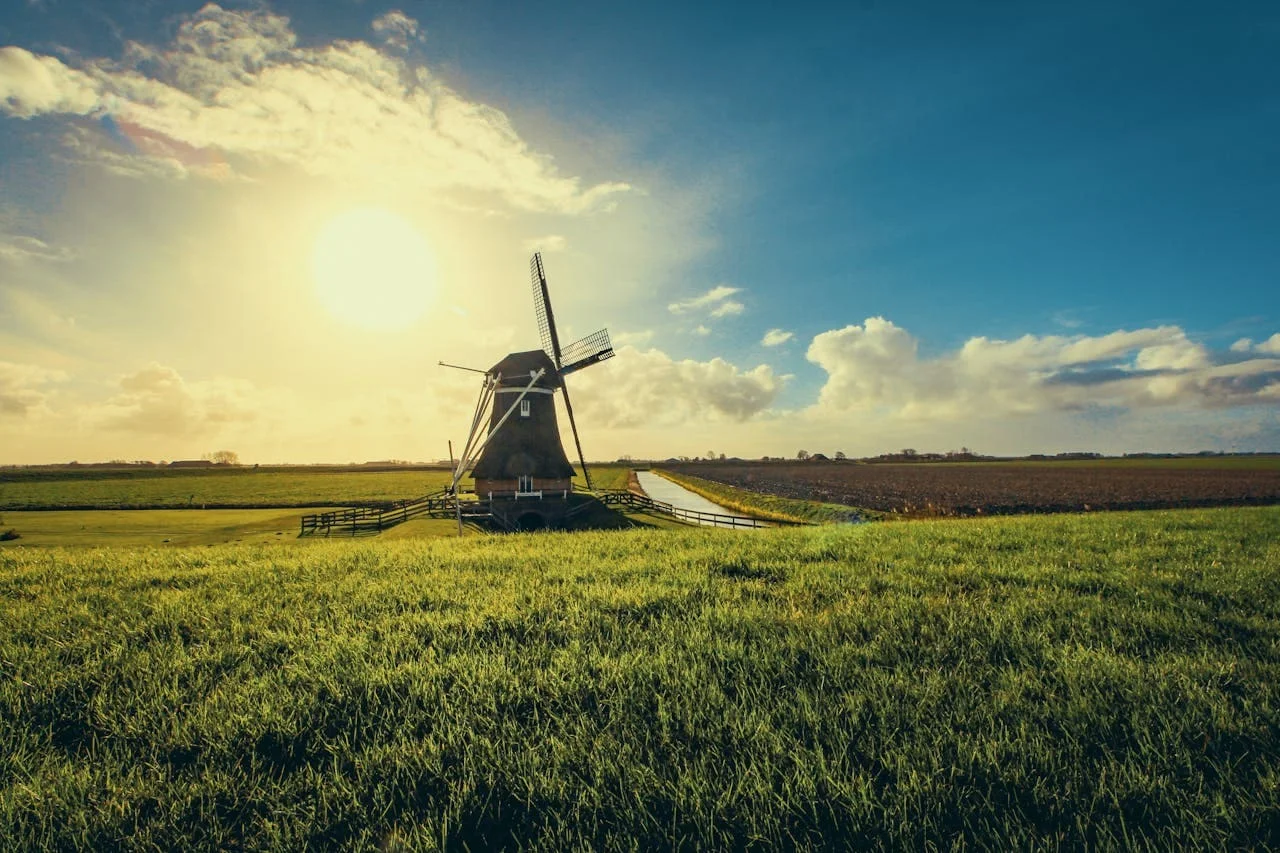
When people think of the Netherlands, they often envision vast tulip fields, iconic windmills, and the historic canal houses of Amsterdam. However, Dutch culture is defined far more by its social fabric than its scenery. Rooted in a history of maritime heritage and a mercantile spirit, the “culture of the Netherlands” is a fascinating blend of rigid pragmatism and a warm, cozy social life known as gezelligheid.
Some of the specifics of the Netherlands culture can be easy to pick up on and enjoy instantly. Others may take some getting used to, like riding bicycles as a means of commuting or the legendary Dutch directness.
The Pillars of Dutch Values: Egalitarianism and Directness
At the core of typical Dutch culture is the concept of egalitarianism. The Dutch firmly believe that no one is better than anyone else. This is summarized in the popular phrase doe normaal (“just act normal”), which discourages boasting or ostentatious displays of wealth.
The concept is similar to the Scandinavian Jante’s Law, but less intense, allowing for the Dutch to be more direct in communication and often come across as blunt. The latter comes from valuing honesty more than politeness. It’s not about being rude intentionally, rather, an extension of the poldermodel, a unique method of consensus-building where different social groups cooperate to find solutions.
While some foreigners may find it blunt, for the Dutch abiding these values is a sign of honesty and independence. They value privacy and secularism, keeping personal beliefs separate from public life.
Daily Life: From Cycling Culture to the Agenda
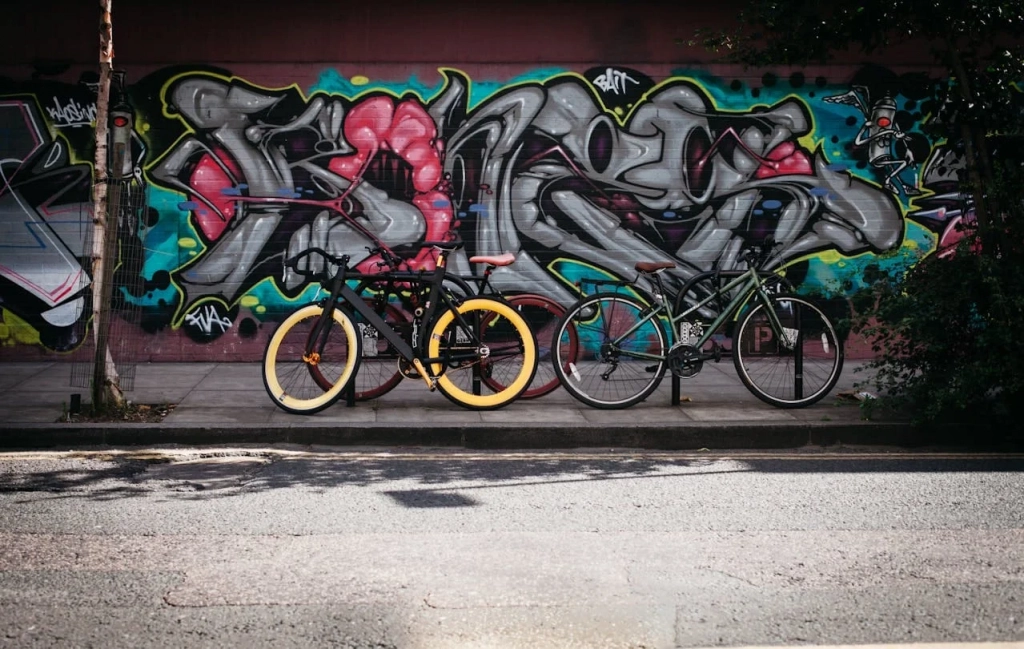
If you want to live like a local, you need a bike. Cycling culture is the lifeblood of the country; from the ubiquitous bakfiets (cargo bike) used by parents to commute with children, to the high-powered executives biking to the office, two wheels are the primary mode of transport.
Cycling is the second-most popular means of transport in the country, meaning that most employers will also probably provide a bike for commuting, especially if the distance between the job site and your accommodation is less than 10-15 kilometers.
This can be somewhat of a culture shock for some nations, for instance, Portuguese, who report rarely, if ever, using bicycles to get from A to B.
The Dutch also prize a healthy work-life balance and are famously known for their thriftiness. This economic mindset gave birth to the phrase “Go Dutch,” or splitting the bill. Furthermore, life is dictated by agenda culture. Spontaneity is rare; whether it’s a business meeting or a coffee with a friend, if it isn’t on the agenda, it isn’t happening.
This meticulous approach to time ensures that every commitment is given full attention without the distraction of unexpected interruptions. Consequently, showing up unannounced at someone’s home is often viewed as a breach of Dutch etiquette, as it disrupts the carefully curated harmony of their daily routine.
Traditions, Food, and Festivities
Netherlands culture shines brightest during its national holidays, where the usually reserved Dutch spirit gives way to vibrant public celebrations.
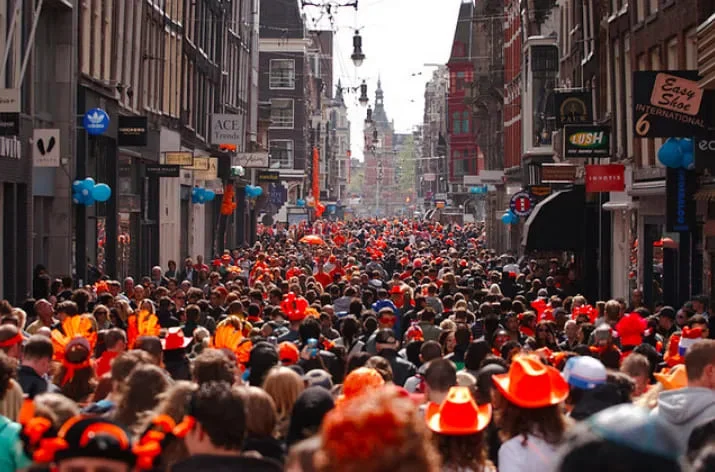
- Koningsdag (King’s Day): Every April 26th or 27th, the country is engulfed in Orange Madness (oranjegekte). In honor of the monarch’s birthday, millions of people dress in bright orange and take to the streets. The most unique feature is the vrijmarkt (nationwide flea market), where the government suspends tax regulations for the day, allowing anyone to sell second-hand goods on the sidewalk. It transforms every city into a massive, joyful bazaar filled with music and outdoor borrels.
- Sinterklaas: Far more significant than Santa Claus for many families, this traditional winter holiday peaks on December 5th. It marks the arrival of Saint Nicholas, who brings gifts and poems. It is a time for gezelligheid, characterized by eating pepernoten and sharing humorous, anonymous rhymes that gently poke fun at the recipient.
- Dodenherdenking: On May 4th, the nation pauses for a solemn day of remembrance for those lost in conflict since WWII. At 8:00 PM, a national two-minute silence is observed; even public transport and cars on the highway pull over to pay respect, showcasing the deep communal bond of the Dutch people.
When it comes to food and cuisine, simplicity and high-quality ingredients are the most important. The Dutch taste is generally considered to be savory and comforting, often prioritising efficiency without sacrificing flavor.
- Daily Staples: You’ll find locals enjoying hagelslag (chocolate sprinkles) on buttered bread for breakfast, which is a treat enjoyed by adults and children alike. For a “typical Dutch” dinner, nothing beats a hearty stamppot, a mash of potatoes and vegetables (like kale or carrots) often served with a smoked sausage.
- Street Food Favorites: While exploring any larger city, you’ll come across haring (raw herring), typically served with onions and pickles and eaten by holding the fish by the tail. For those with a sweet tooth, poffertjes (fluffy mini pancakes) and stroopwafels (syrup-filled wafers) are essential. If you are looking for a savory snack during a borrel, a crispy kroket or a plate of bittergarnituur is the gold standard.
- The Cheese Legacy: No visit to the Netherlands is complete without sampling world-famous Gouda and Edam cheese. These aren’t just exports; they are a central part of the Dutch identity, often enjoyed in cubes with a dab of mustard or sliced thin on a sandwich for lunch.
5 Dutch Communication Habits That Surprise the World
In the Dutch business world, the dress code is determined by the host, not the place. Whether driven by business or tourist curiosity, understanding these five communication subtleties is essential for anyone on Dutch soil.
1. Don’t Waste Time on Pleasantries
While many cultures require “sugarcoating” or long introductory addresses in emails, the Dutch view this as a waste of time. Being brief and clear is seen as a sign of respect for the other person’s schedule. In essence, this also derives from the directness of everyday communication, and improves not just business, but everyday efficiency as well.
2. Unwanted Gifts and “Earning” Respect
In the Netherlands, respect is earned through performance, not through gifts or status. Small thank-you gifts between colleagues are often viewed with suspicion, almost like a bribe. Similarly, age and experience hold less weight than current results; it is always about what you can do now.
3. The Customer is Not Always Right
The Dutch value of equality means that service workers expect to be treated as peers. If you are unhappy with a service, the local etiquette dictates that you first examine your own behavior. Being a paying customer does not give you the right to be impolite.
4. Disagreeing with Guests
Even high-level investors or foreign delegates are treated with the same standard of equality as a local neighbor. Once business hours end, the Dutch generally head home to their families, maintaining strict boundaries regardless of who the guest is.
5. Punctual Planners
Punctuality is a hallmark of Dutch etiquette. Being late is considered incredibly rude. However, this relies on strict agenda adherence. Don’t expect to see a friend or business partner on a whim; a simple trip to the cinema or a meeting often needs to be planned weeks in advance.
Dutch culture facts often surprise outsiders, but once you understand the underlying respect for time, equality, and honesty, you’ll find that the Dutch are indeed “nice,” just in a very direct way.
Your Gateway to the Netherlands: Start Your Journey with Robin
While understanding the nuances of Dutch etiquette and social values is the first step to integration, finding the right opportunity is the first step to a new life. At Robin, we specialise in bridging the gap between motivated individuals and the thriving Dutch labor market.
Whether you are looking for a role as a forklift driver in a high-tech warehouse, a production assistant in the food industry, or a skilled technician, your ideal “culture in the Netherlands” experience begins with the right placement.
Register on Robin today and find the blue-collar opportunity that fits your goals. Your new life in the Netherlands is just a few clicks away!