
 English
  Lietuvių
  Latviešu
  Polski
  Português
  Română
  Slovenčina
  Magyar
  Русский
  Espanol
  България
  Čeština
  Italy
Italy  Croatia
  Greek
Greek 

Have you ever wondered what life would be like in Belgium? What would be your average daily expenses? Understanding the nuances of the cost of living in Belgium is probably the first thing you want to do if you want to enter the Belgian workforce with level-headedness and realistic expectations.
The average cost of living in Belgium is €1,300 to €1,760 but this estimate includes housing, utilities, clothing, medical & insurance costs, transport, leisure, groceries, and everything in between
Key Takeaways
- The average cost of living in Belgium for a family of four in 2026 is around €4,518 to €4,850 per month (including rent), though this varies significantly by region.
- Health insurance costs are integrated into the social security system and vary based on your professional status. Employees typically have around 13.07% deducted from their gross salary, while self-employed individuals contribute approximately 20.5% of their net taxable income toward social security and health coverage.
- In Belgium, primary and secondary education in public and subsidized schools is free of charge, though families should budget for extra materials, school trips, and extracurricular activities.
- A one-bedroom apartment in the city center of Brussels now costs around €1,110 to €1,200, whereas in Liège, you can find similar accommodation for approximately €700 to €800.
- Monthly utilities (including electricity, heating, and water) average around €238 to €260, and monthly groceries for a single person average between €250 and €350. A monthly public transport pass for an adult (e.g., STIB in Brussels or De Lijn in Flanders) typically costs between €49 and €62 a month, though many employers are legally required to reimburse at least 72% of this cost.
Living Costs In Belgium: An Overview
Belgium offers a balance between Western European living standards and moderate prices, particularly compared to cities like Paris or Amsterdam. However, the cost of living in Belgium with rent included can still be steep in urban centers.
Typically, a family of four will spend (together with rent) over 4 thousand euros per month, while a single person may spend over a thousand, depending mostly on how much they have to put down for rent.
So, in most cases, the place you choose to nestle in will play a crucial role in determining your expenses, from average rent in Belgium, to daily food expenses, and more.
Housing & Utilities
Opting between a more quiet location near the countryside and a bustling city will play a significant role in determining the height of your expenses in Belgium. Just like in most countries, property prices have gone up, both in terms of rent and selling prices.
That said, let’s take a look at the average rental prices in the largest cities in the country, to get a better idea of these expenses.
| City | Average Rent, City Centre, One Bedroom (2026) |
| Brussels | €1,110 |
| Ghent | €1,050 |
| Antwerp | €925 |
| Liège | €780 |
Rent can be considered as relatively cheap, with Brussels being the most expensive place to live in Belgium, rent-wise. On a brighter note, if you plan on living in the capitol, finding a solid empty apartment may be easier than doing the same in Berlin or Amsterdam.
Rent Prices (Average)
| Accommodation Type | Average Monthly Rent | 2026 Market Range |
| Studio Apartment | €900 | €750 – €1,050 |
| Apartment (1 bedroom) – City Centre | €1,110 | €950 – €1,350 |
| Apartment (1 bedroom) – Outside Centre | €850 | €750 – €950 |
| Apartment (3 bedrooms) – City Centre | €1,540 | €1,400 – €2,200 |
| Apartment (3 bedrooms) – Outside Centre | €1,250 | €1,150 – €1,450 |
| Shared Housing (City Centre) | €750 | €650 – €950 (Often all-inclusive) |
| Shared Housing (Outside Centre) | €550 | €450 – €700 |
Source: Numbeo
However, you should also know that common rental contracts last for 9 years in the country, so getting familiar with tenant rights, and other obligations is necessary to avoid costly penalties if you choose to terminate your contract early.
Purchasing Property
We’ve covered the ins and outs of buying property in the Netherlands.While for Belgium, the legal side of things might be a bit different, you will still need to be prepared for significant investments.
More specifically, as of early 2026, the median price for a semi-detached or attached house has risen to approximately €280,000–€305,000, while the median price for a detached house (villa) is now around €390,000–€430,000. Apartments have seen the most consistent growth, with a national median price currently hovering around €255,000–€280,000.
Utilities
Apart from the average rent in Belgium, you will also need to consider utility costs. For a standard 85m² apartment, basic utilities—including electricity, heating, water, and garbage services—typically range from €200 to €330 per month in 2026. These figures fluctuate based on the specific location, your consumption habits, and importantly, the energy efficiency (EPC/PEB rating) of the building. Phone plans and high-speed internet add to these expenses, usually costing an additional €50 to €100 per month, depending on whether you opt for a basic plan or an all-inclusive”pack.
Healthcare Expenses In Belgium
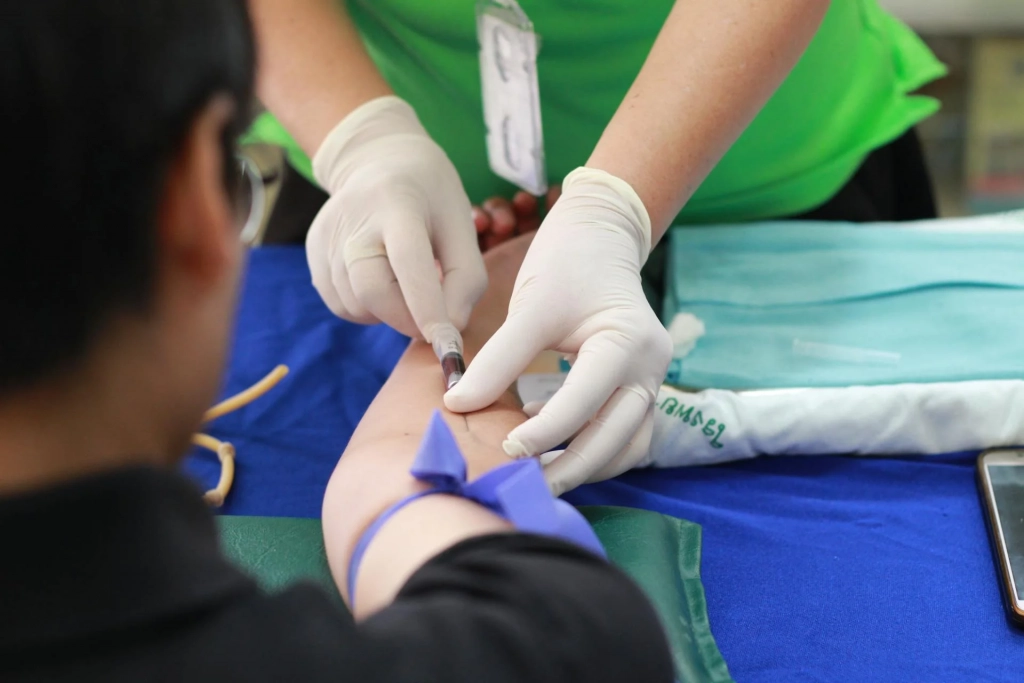
While healthcare isn’t entirely free in the country, it’s heavily subsidized through mandatory health insurance. This means that residents only have to pay a portion of the costs while the public system covers more than 75% of expenses.
More specifically, the average cost of health insurance varies based on the type of coverage and whether it’s private or public. Basic supplementary insurance is around €10 per month, while more comprehensive plans may reach €75 per month. On the other hand, employer-sponsored plans can cost between €15 to €25 per month.
Source: Pexels
All in all, the Belgian healthcare system aims to balance patient responsibility with public funding. It provides a high level of choice and access but individuals must also contribute to the cost of the care.
Education & Childcare
If you have kids, the cost of living in Belgium with rent isn’t the only thing you need to think about when assessing monthly expenses.
Education and childcare expenses greatly vary in the country depending on education level, type of care, and family income. More specifically, daycare and nursery costs are income-based; as of 2026, subsidized rates typically range from a minimum of around €140 per month for low-income families to approximately €810 per month for high earners. If you opt for private childcare without an income-based rate, expect to pay between €32 and €40 per day.
Secondary and primary-level education is free in public schools, but parents need to pay for school supplies and additional extra costs that may arise. For the 2025/2026 school year, mandatory and optional study materials, trips, and activities are estimated to cost between €500 and €1,000 per year depending on the grade level.
For higher education, total annual costs (including living expenses) typically range between €8,500 and €12,000. Public university tuition for the 2026/2027 academic year is approximately €1,100–€1,200 per year for EU students. However, private universities and specialized business schools may require you to pay between €10,000 and €22,000 per year.
Food and Groceries
Budgeting in Belgium regarding groceries can be a bit easier, as you have plenty of options that offer a solid selection of essentials. Carrefour, Colruyt, Delhaize, Aldi, and Lidl offer great options for discounts. You can also opt for organic products (Bio-Planet), great finds at local markets, and even opt for delivery services.
| Item | Average Price (2026) |
| Milk (regular), (1 liter) | 1.25 € |
| Loaf of Fresh White Bread (500g) | 2.45 € |
| Rice (white), (1kg) | 2.20 € |
| Eggs (regular) (12) | 4.20 € |
| Local Cheese (1kg) | 14.50 € |
| Chicken Fillets (1kg) | 11.50 € |
| Beef Round (1kg) | 18.25 € |
| Apples (1kg) | 2.60 € |
| Banana (1kg) | 2.15 € |
| Oranges (1kg) | 2.40 € |
| Potato (1kg) | 2.20 € |
| Onion (1kg) | 1.85 € |
| Lettuce (1 head) | 1.55 € |
| Tomato (1kg) | 3.10 € |
| Water (1.5 liter bottle) | 1.05 € |
| Bottle of Wine (Mid-Range) | 8.50 € |
| Domestic Beer (0.5 liter bottle) | 1.85 € |
| Imported Beer (0.33 liter bottle) | 2.25 € |

Source: Numbeo
Just like German food prices, groceries in Belgium are on the affordable side. According to the latest 2026 data, the average food costs for a single person vary between €250–€350, for couples €500–€750, and €800–€1,200 for a family of four. For dining out, an average inexpensive meal costs around €18, while a mid-range restaurant with a three-course meal may set you back by €80 for two people.
If you want to keep your average daily food costs down, you can take the cheapest route and take a McDonald’s combo meal, and expect to pay €10. Water in a restaurant costs around €2.35, a bottle of Pepsi or Coke €2.65, while a bottle of domestic beer (0.5 liter draught) is around €4.
Still, typically, food prices in Belgium are acceptable, especially if you consider the wages people are getting paid.
Commuting Costs in Belgium
Generally speaking, public transportation is considered more cost effective than using your private vehicle, especially inside urban settlements. While public transport costs will vary based on mode (train, metro, bus) and whether you are buying a single ticket, monthly pass, or multi-journey passes, it can still be less expensive, especially in the case of frequent travel. On the other hand, private vehicle commutes are significantly higher, even employer contributions to commuting costs.
Here’s a more detailed breakdown of the two:
| Category | Details |
| Public Transportation | Typically range from €2.10 to €2.50 for local transport. |
| Single Tickets | Typically range from €2.10 to €2.50 for local transport. |
| Monthly Pass | .Range from €37.50 to €49, with potential discounts for students or zone-based pricing. |
| Employer Reimbursement | Many employers cover a significant portion of transport costs, often up to 75% or more |
| Third-Party Payer Scheme | Employers directly pay a portion of SNCB/NMBS train ticket costs, reducing the upfront payment for employees. |
| Private Vehicle Costs | |
| Fuel | Average price is €1.72 per liter, among the highest in Europe. |
| Insurance | Car insurance premiums vary by driver profile, location, and vehicle type—typically a major recurring cost. |
| Maintenance & Repairs | Regular servicing, tire changes, and unforeseen repairs contribute to a steady cost burden. |
| Parking | Especially in cities, parking can be limited and expensive, with monthly fees or pay-by-hour systems. |
| Taxes & Fees | Annual vehicle registration taxes, road taxes, and environmental levies apply and vary by region and vehicle type. |
You should also know that urban households usually pay less than rural households for transportation, mainly because of the better accessibility.
Leisure and Lifestyle Expenses in Belgium
With a rich cultural scene and a laid-back lifestyle, The country offers residents a myriad of leisure activities which come at specific costs that contribute to the overall cost of living in Belgium. These include:
- Gym memberships
- Concert tickets
- Dining out
- Shopping
- Entertainment activities
When planning your budget it’s important to consider the estimated monthly costs of living in Belgium, as these leisure activity expenses can vary depending on individual preferences and lifestyle choices.
| City | Restaurant Meal (Mid-Range) | Cinema Ticket | Gym Membership | Monthly Entertainment Budget (Estimated) |
| Brussels | €35 | €14 | €35 | €250 – €350 |
| Antwerp | €30 | €13 | €33 | €200 – €280 |
| Ghent | €28 | €13 | €32 | €180 – €250 |
| Leuven | €28 | €12 | €32 | €180 – €250 |
| Liège | €25 | €12 | €30 | €150 – €220 |
| Charleroi | €22 | €11 | €30 | €130 – €200 |
Gym Membership and Fitness Costs
Staying fit in the country is accessible and affordable, with several local gyms and national chains. Average gym memberships cost between €25 to €60 per month, with student discounts and flexible plans widely available.
Hobbies and Entertainment
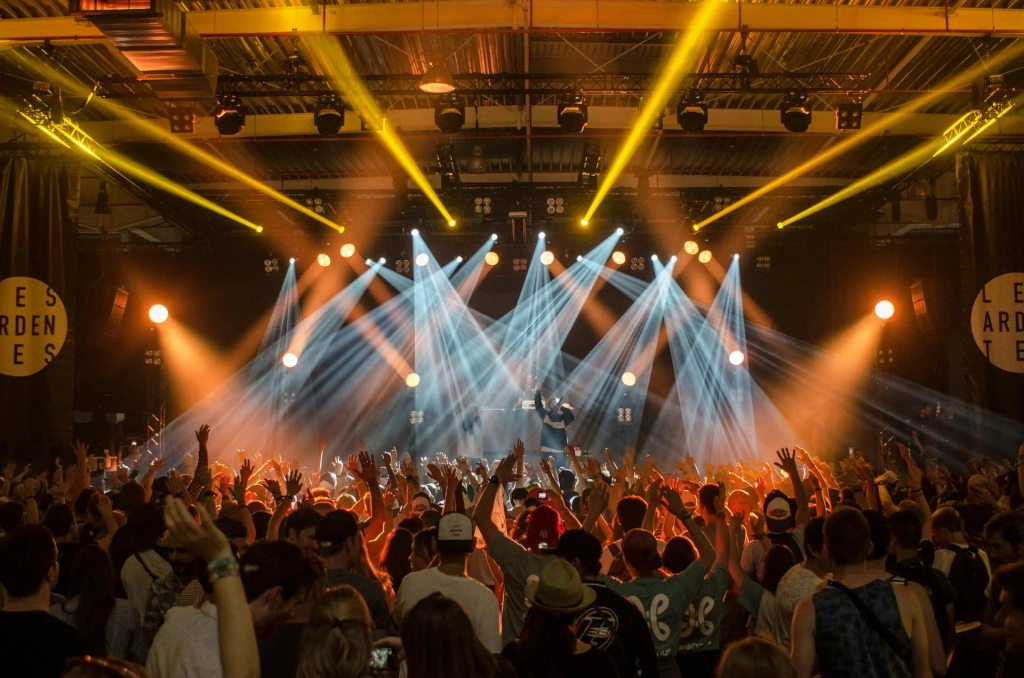
Belgium is rich in nightlife, has an abundant art scene and lots of cultural activities. Belgium also has musical festivals that offer fantastic opportunities to experience local custom and social integration.
Source: Pexels
Hobbies such as sports clubs or creative classes typically cost around €30 to €50 per month
Income & Buying Power in Belgium
Understanding local wages and how far your salary can stretch is key to budgeting in Belgium. Fortunately, the country boasts strong income levels, especially compared to its relatively moderate living costs.
- Average net salary: As of 2026, Belgians earn an average of €2,650 per month after taxes. This reflects the recent automatic wage indexations and provides plenty of room for comfortable living in most cities.
- Minimum wage (gross): As of January 1, 2026, the statutory gross minimum wage stands at €2,154.11 per month (for a 38-hour week). This remains one of the highest in the EU and ensures a solid standard of living even for entry-level positions.
- Disposable income: After covering average monthly expenses of approximately €1,760 (including rent in a major city), a typical individual still retains a healthy buffer of around €890. This margin is ideal for building savings, enjoying Belgium’s famous culinary scene, or handling emergencies.
When compared to neighbouring countries, the purchasing power of residents in Belgium is considerably strong, especially in the case of students, renters, and skilled, blue-collar workers.
Cost of Living In Belgium vs Netherlands
While both Belgium and the Netherlands offer high living standards, Belgium holds the edge when it comes to overall affordability, especially in two crucial segments, which is housing and childcare.
Overall living costs in Belgium are estimated to be lower than in the Netherlands, depending on the region and lifestyle.
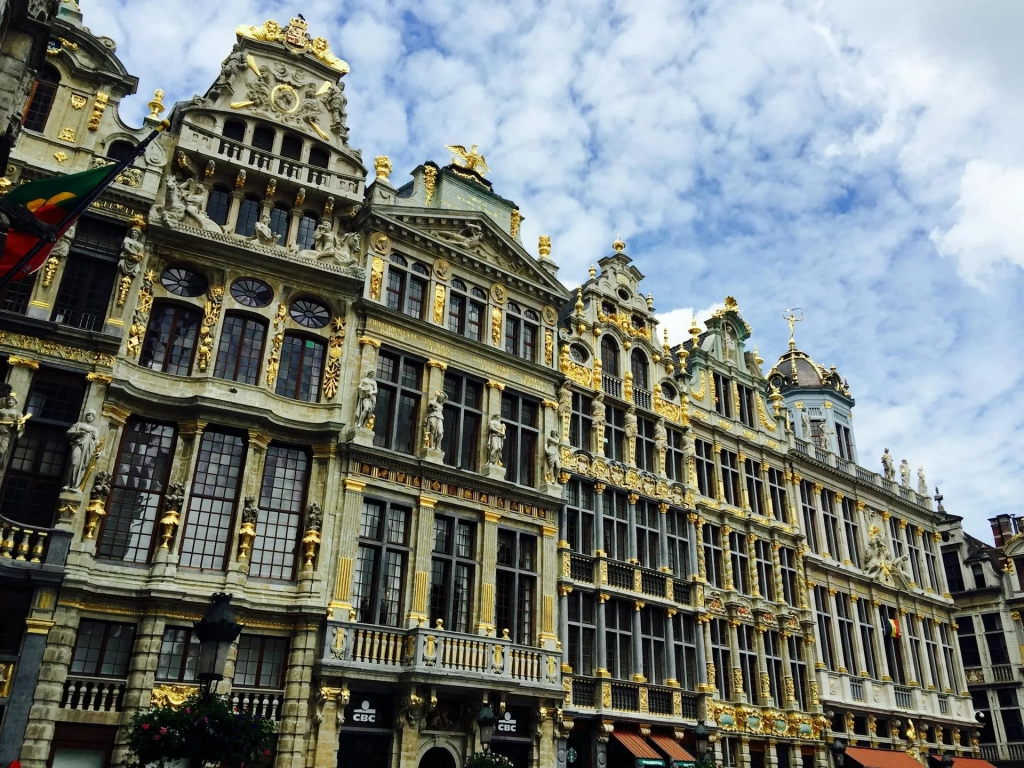
Rent differences are especially striking with rent prices in the Netherlands being around 66% higher on average than in Belgium. More specifically, the overall cost of living in Brussels is around 27% cheaper than in Amsterdam.
While the Netherlands brings several advantages if you want to improve your quality of life, Belgium can provide better cost savings without compromise if you are looking to save up some money.
Is Belgium Affordable?
Belgium is a great combination of excellent public services, stellar healthcare, quality education, and affordability, making it a great destination both for individuals and families. A single person can live comfortably on €1,760 to €2,100/month (including rent and expenses), while a family of four can do the same with €4,200 to €4,800/month, depending on the region and lifestyle.
Whether you’re relocating for work, study, or a fresh start, Belgium remains one of Western Europe’s most budget-friendly choices for expats.
That said, if you are looking to relocate affordably then reach out to our team at Robin.jobs. We specialise in helping blue-collar workers across Europe find reliable jobs in Belgium, Germany, and the Netherlands with organized housing and transportation included. That means you’ll save time, reduce stress, and arrive fully supported.
Cost of Living in Belgium FAQs
What is the cost of living in Belgium for a single person?
Around €1,760 to €2,100 per month based on average expenses in major cities like Brussels or Antwerp. However, this can be lower—closer to €1,300—if you opt to nestle in a more affordable area like Namur or the rural Ardennes.
How much does a family of four need?
Roughly €4,200 to €4,850 per month, depending on location and lifestyle
Are groceries expensive in Belgium?
Typically, a single person spends between €300 and €400 per month on groceries in 2026, depending on whether you shop at budget supermarkets like Lidl or Aldi versus more premium options. For those dining out, a meal at an inexpensive restaurant or a casual lunch generally averages €18–€22. That said, with the high average salaries in the country, you’ll typically have more than enough money left over after covering your daily essentials.
Is Belgium cheaper than the Netherlands?
Generally, Belgium is on average, cheaper by 25%, especially in terms of healthcare, childcare, and rent.