
 English
  Lietuvių
  Latviešu
  Polski
  Português
  Română
  Slovenčina
  Magyar
  Русский
  Espanol
  България
  Čeština
  Italy
Italy  Croatia
  Greek
Greek 
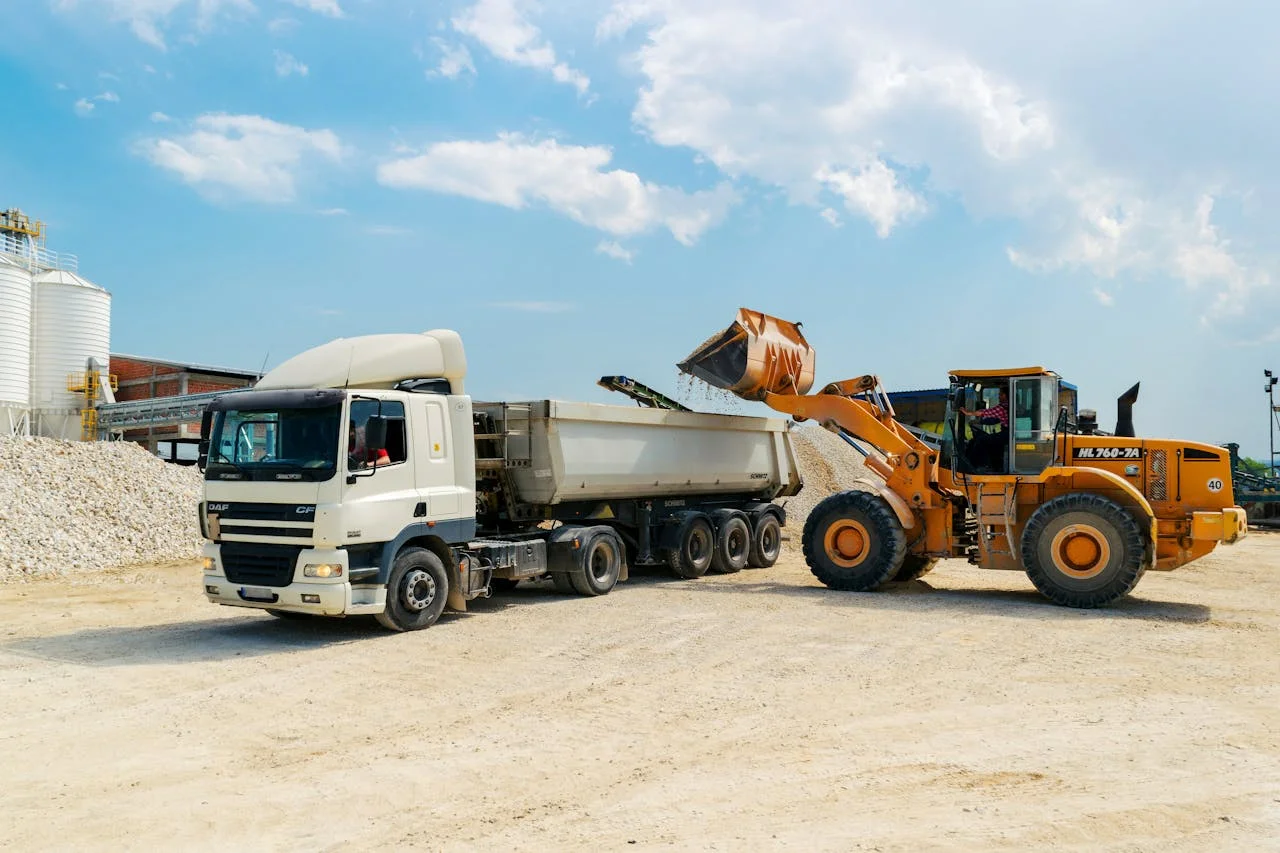
Getting a truck driver job in Europe can offer more than just stable earnings. Freight transportation and other variants of truck driving is also a gateway to one of the most advanced logistics systems in the world.
As cross-border trade between EU state members grows, the demand for professional drivers has reached critical levels, particularly in central hubs. This guide explains how to start to become a truck driver along with the essential requirements across key markets like Germany, the Netherlands, and Belgium, and what to expect on the road.
The Job Market: High Demand in Central Europe
The logistics sector in Central Europe is currently amidst a period of significant structural change. The demand for freight transport experts grows, the pool of qualified professionals is stagnating or even shrinking, creating a market where skilled workers hold more leverage than ever before.
Germany: The Aging Engine of Europe
Germany remains the undisputed leader in logistics in Europe, but it’s facing pressures. Driver shortages have moved from a minor concern to a critical structural problem.
More specifically, 45% of all truck drivers in the country are over the age of 55. Also, 17% of the workforce will retire by 2029, which puts even more pressure on Germany, as only a small friction of new drivers enter the workforce (with only 3% of drivers being under 25).
This shortage and rising problem has led to a major shift in recruitment, with German companies increasingly offering relocation support, language training, and performance-based bonuses to attract international talent.
The Netherlands: The Gateway to the World
The gateway of Europe manages a massive volume of international shipping containers that must be moved inland across the continent.
As such, the Dutch logistics sector is highly advanced and driven by technology, but it’s not immune to the labor crunch. Even with one of the most efficient infrastructures in the world, Dutch employers are struggling to fill roles.
Because the Netherlands serves as a global gateway, there is a particular premium on drivers who can handle high-tech fleet systems and complex international documentation.
This has made the Dutch market one of the most competitive in terms of “quality of life” benefits, including modern rest facilities and strict adherence to work-life balance regulations.
Belgium: The Crossroads of Distribution
Belgium’s job market is defined by its role as a distribution powerhouse. Situated between Germany, France, and the UK, it acts as a transit zone for pharmaceutical and automotive logistics.
Much like its neighbors, Belgium is seeing an ongoing struggle to find professionals with experience. Employers are moving away from just offering a base salary and are now competing on comprehensive packages that include better healthcare, pension contributions, and flexible schedules to lure drivers away from long-haul routes.
Core Requirements for Professional Drivers
So, how to become a truck driver? Operating a heavy vehicle in Europe is a highly skilled trade. To secure a role, you must meet the following legal and professional criteria:
1. Driving Licenses (Categories C & CE)
The European licensing system is hierarchical, meaning you must demonstrate competence at each level of vehicle weight and complexity.
- Category C (Rigid Truck): This license authorizes you to operate vehicles with a Maximum Authorised Mass (MAM) of over 3,500 kg. This is the entry-level for heavy goods transport, covering “rigid” trucks where the cab and cargo area are on a single frame.
- Category CE (Articulated Truck/Trailer): If you intend to drive “big rigs,” (articulated trucks or semi-trailers), then this is mandatory. It allows you to tow a trailer with a MAM exceeding 750 kg. In the European logistics heartland, the CE license is the most in-demand qualification.
- Medical Fitness: Maintaining these licenses requires a rigorous medical check-up every 5 years. This includes specialized vision tests (checking field of vision and depth perception) and hearing exams. In Germany and Belgium, this medical clearance is a prerequisite for both your initial license and every subsequent renewal.
2. Code 95 (The CPC Certificate)
The Certificate of Professional Competence (CPC), recognized on your license as Code 95, is the single most important document for any driver in the EU.
- The “12-Hour Rule”: Legally, you cannot drive a commercial vehicle for more than 12 hours a week without this qualification. It is the proof that you have been trained in modern safety, fuel-efficient driving, and load-securing techniques.
- Initial Qualification: For new drivers, this involves an extensive course (often 140 to 280 hours) followed by a series of theoretical and practical exams.
- Periodic Training (The 35-Hour Rule): Your Code 95 will expire. And to keep it valid, you must complete 35 hours of accredited training every five years. You must do this to keep up to date on the latest regulations, road safety tech, and “eco-driving” standards to reduce environmental impact.
3. The Digital Tachograph Card
While your license proves you can drive, your Tachograph Card proves you did drive legally. You must have a personal, chip-embedded driver card. You insert this into the truck’s dashboard every time you start your shift.
This card records every minute of your driving, “other work” (like loading), and rest periods. In countries like the Netherlands and Germany, authorities perform frequent roadside checks. If your card shows you’ve exceeded your driving hours or skipped a break, both you and your employer face heavy fines.
4. Specialised Certifications (ADR)
For those looking to increase their earning potential, the ADR Certificate is the next logical step. This specialised qualification allows you to transport hazardous goods, such as chemicals, fuel, or pressurized gases. Because of the high responsibility and specialized safety protocols involved, ADR-certified drivers are among the highest-paid professionals in the European logistics sector.
Regional Salaries and Benefits
Wages will vary by country and the specific type of work you do, but the ongoing shortage has pushed compensations higher.
For instance, gross truck driver salaries in Germany hover between €2,430 and €2,850 on average, though experienced professionals can make more depending on the region. In the Netherlands, the median truck driver salary is 2,550 EUR per month, after taxes.
Needless to say, these are only average figures and specific roles at distinct companies can surely offer more, based especially on location, experience, and other factors.

Step-by-Step Guide to Getting Started
- Obtain a Category B License: You must hold a standard car license before upgrading to truck categories.
- Theory and Practical Exams: Enroll in a certified driving school to complete training for Category C/CE and the Code 95 qualification.
- Tachograph Card: Apply for a personal digital driver card (issued by authorities like the KBA in Germany) to record your driving and rest times.
- Health Check: Pass the mandatory medical exam through recognized authorities like the CBR in the Netherlands.
- Language Skills: Basic knowledge of the local language (German, Dutch, or French) is highly recommended for safety and communication, however, in most cases, English will suffice.
How To Become a Truck Driver: Get Started With Robin
A career as a truck driver in Germany, the Netherlands, or Belgium offers a path to financial stability and job security within a vital industry. By securing the right certifications and working with reputable recruitment partners, you can join a professional workforce that keeps the heart of Europe moving.
If you already have the necessary permits and licenses, but are still on the lookout for opportunities with great benefits, consider creating a profile on Robin.