
 English
  Lietuvių
  Latviešu
  Polski
  Português
  Română
  Slovenčina
  Magyar
  Русский
  Espanol
  България
  Čeština
  Italy
Italy  Croatia
  Greek
Greek 

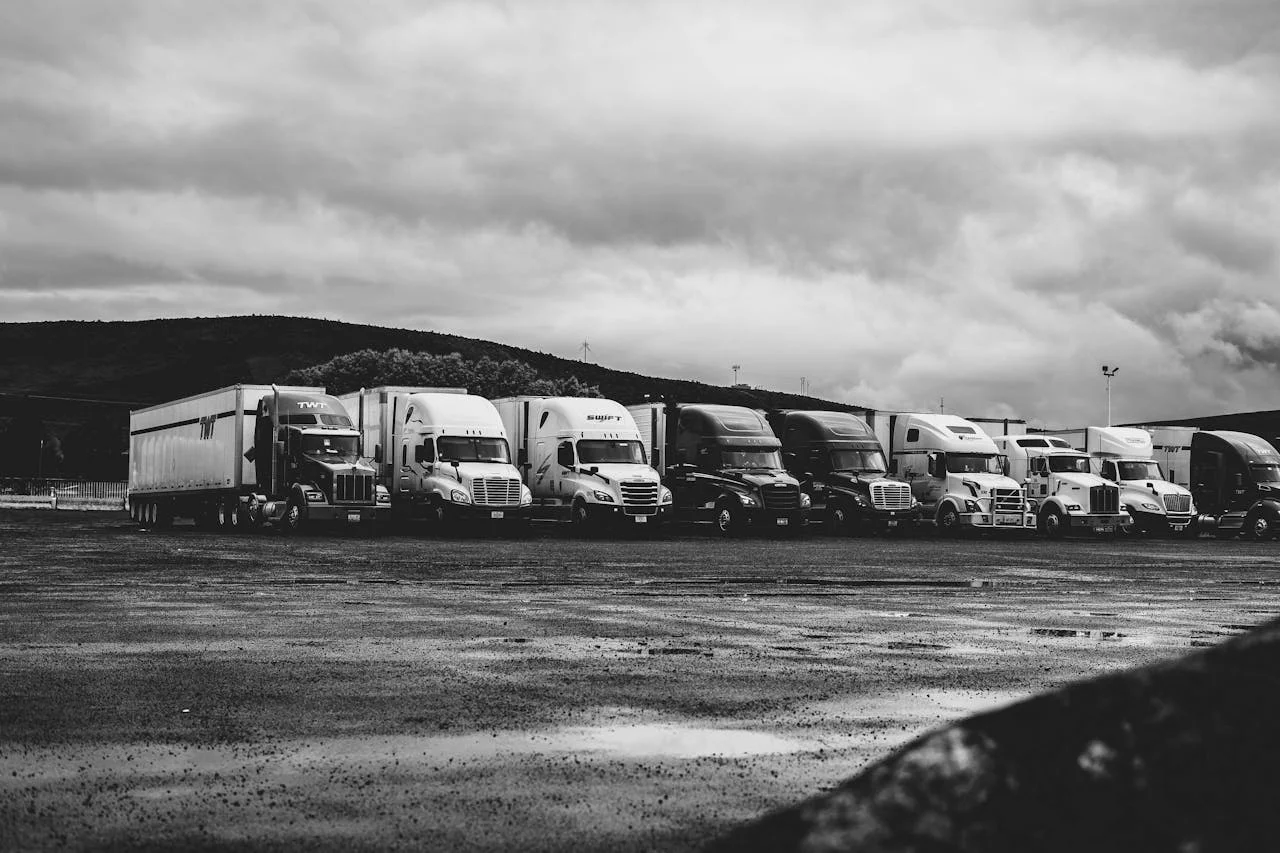
Driving trucks and other large vehicles on the road are the ultimate symbol of freedom for some. And while that looks neat, moving essential goods and being an important element in logistics make truck driving a pivotal role in the blue-collar job market.
Whether you are curious about what a truck driver is or you are looking for a specific truck driver job description to start your application, understanding the skills, licensing, and daily operational tasks is the first step toward a successful career.
In this article, we explore the core responsibilities and expectations of the role, including the technical requirements for driver jobs and the unique work environment of the modern driver.
Key Takeaways
- The main responsibilities of a truck driver revolve around freight transportation, cargo securing, ensuring safe operating conditions, and maintaining an activity log.
- The role requires you to attain specific licences, medical certificates, and a clean driving record.
- Success requires a blend of skilled driving, time management, and mechanical aptitude to handle preventative maintenance and road safety.
What Do Truck Drivers Do?
As mentioned, a truck driver’s job description focuses on the transport of transport goods using tractor-trailers, semi-, or heavy trucks. These drivers are the backbone of the supply chain, moving products from a manufacturing plant to a distribution center or directly to the end consumer through last-mile delivery.
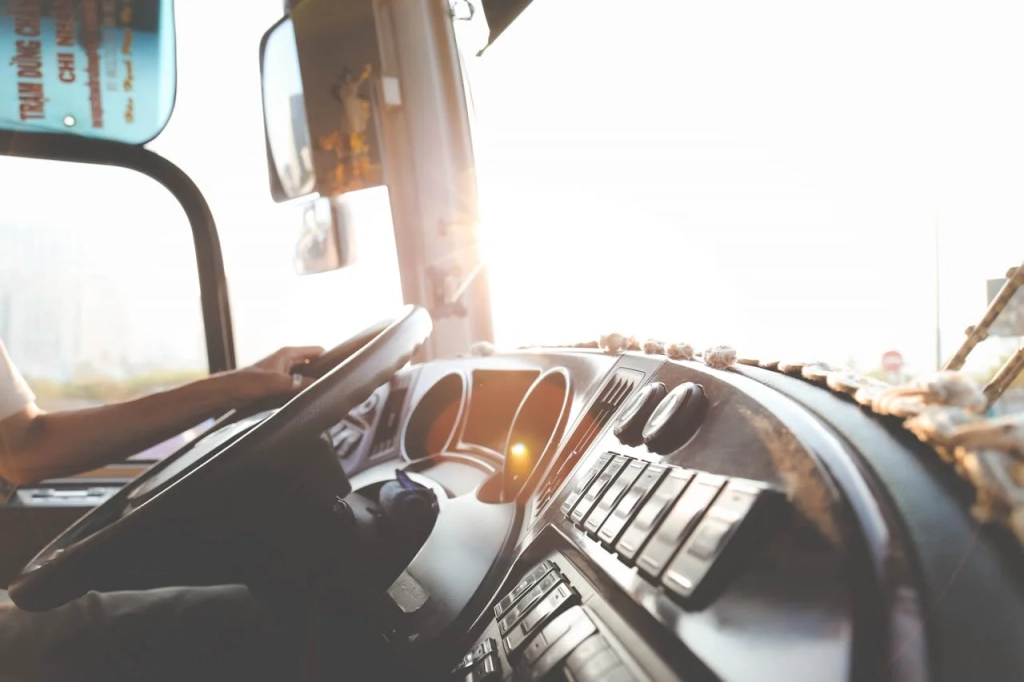
Depending on the specific job role or type, a driver might be a long-haul expert, crossing international borders, or a local delivery driver, staying within a specific region or city.
Common daily responsibilities include:
1. Safety & Vehicle Inspections
In Europe, vehicle maintenance is not just a suggestion but a legal mandate.
- Pre-Trip & Post-Trip Checks: You must thoroughly inspect your tires, brakes, lights, and fluid levels every time before and after a trip. In the Netherlands and Germany, roadside inspections by authorities (like the BAG in Germany) are common, so maintaining a “road-ready” vehicle is your first line of defense.
- Reporting: You will also have to report any mechanical wear and tear to fleet managers immediately with the digital maintenance logs to ensure that problems are addressed right away without any delays.
2. Loading, Unloading & Cargo Integrity
You are responsible for all the goods you’re carrying from point A to point B.
- Securing the Load: You will be responsible for lashing and securing the cargo. This involves using straps, chains, or bars to ensure the goods do not shift during transit. This is essential for both product safety and vehicle stability on European motorways.
- Supervision: While many warehouses handle the physical lifting, you oversee the process to ensure weight is distributed evenly across the axles to stay within legal weight limits.
3. Digital Documentation & Workflow
The modern European truck is a paperless environment, but accuracy still remains critical.
- Waybills & CMRs: You will manage the CMR (International Consignment Note), which is the standard contract of carriage for international road transport in Europe.
- On-Board Computers: Most European fleets use advanced telematics. You will use these systems to accept new jobs, communicate with dispatchers, and confirm deliveries in real-time.
4. Regulatory Compliance & Hours of Service
Europe has some of the strictest driving-time regulations in the world, managed by the digital tachograph.
- Tachograph Management: You must accurately record your driving, “other work,” and rest periods using your personal driver card.
- Route Planning: You will need to plan your journey to ensure you reach a safe parking area or “Autohof” before your legal driving limit expires.
- Traffic Laws: Adhering to country-specific rules, such as the Sunday driving bans for heavy trucks in Germany or specific environmental zone (Green Zone) restrictions in major cities.
Professional Requirements & Licensing
Operating a Commercial Motor Vehicle (CMV) in Europe is a highly regulated profession. Beyond basic driving skills, you must meet strict EU standards to ensure road safety and logistical efficiency. If you are aiming for a career in Belgium, Germany, or the Netherlands, these are the non-negotiable requirements:
1. Driving License Categories
In Europe, licenses follow a strict, but logical and safety-conscious hierarchy. You cannot simply jump into a heavy truck without the proper progression:
- Category C (Rigid Truck): Allows you to drive vehicles with a Maximum Authorised Mass (MAM) of over 3,500 kg. This is typically for “rigid” trucks where the cab and cargo area are part of the same chassis.
- Category CE (Articulated Truck/Trailer): This is considered the standard for long-haul drivers. It allows you to tow a trailer exceeding 750 kg behind a Category C vehicle. This is required for the 40-ton “Big Rigs” seen on European motorways.
- Prerequisites: You must hold a valid Category B (Car) license before applying for truck categories.
2. Code 95 (The CPC Qualification)
The Certificate of Professional Competence (CPC), or Code 95, is mandatory for all professional drivers. Here’s how you can obtain it:
Initial Qualification
New drivers must pass a series of theoretical and practical exams specifically focused on professional driving, cargo securing, and safety.
Periodic Training
To keep your license valid, you must complete 35 hours of refresher training every five years.
Why it matters
Without the “95” code stamped on your license (or a separate Driver Qualification Card), you cannot legally be hired as a commercial driver in the EU.
3. Medical & Physical Fitness
Because of the long hours and physical demands (such as securing loads), drivers must prove they are fit for the road.
- Medical Certificate: You will need a comprehensive check-up by a certified doctor. This includes tests for vision (including color blindness and peripheral vision), hearing, and cardiovascular health.
- Renewal: In countries like Belgium and Germany, this medical clearance must typically be renewed every 5 years (or sooner for older drivers) to coincide with license or Code 95 renewals.
4. The Digital Tachograph Card
European law is extremely strict regarding “Driving and Rest Times.” To track this, every truck is equipped with a digital tachograph.
You must apply for a personal Tachograph Driver Card. This is a chip-embedded card that you insert into the truck’s dashboard at the start of every shift. It records exactly when you are driving, when you are working (loading), and when you are resting. Tampering with this data carries massive fines for both the driver and the company.
5. Mastery of EU Road Regulations
Traffic laws in the heart of Europe require specific knowledge:
- Social Rules: You must understand the 4.5-hour rule (you must take a 45-minute break after 4.5 hours of driving) and the daily rest requirements (usually 11 hours).
- Country-Specific Rules: For example, Germany has strict Sonntagsfahrverbot (Sunday driving bans) for heavy trucks, while the Netherlands and Belgium have complex low-emission zones in major cities.
6. Essential Skills for the Road
There are also other skills you’ll need to master if you want to become a truck driver:
- Time Management: Keeping to a strict schedule while accounting for traffic congestion and mandatory rest periods.
- Problem-Solving: On the road, anything can happen. You’ll also need to become better at resolving unexpected issues during independent work, such as mechanical breakdowns or route changes.
- Communication: To improve your time management and the overall transportation process, you also need to maintain clear dispatch communication and provide professional customer service at the loading docks.
- Physical Stamina: Managing the demands of highway driving and the focus required for overnight travel.
7. The Work Environment
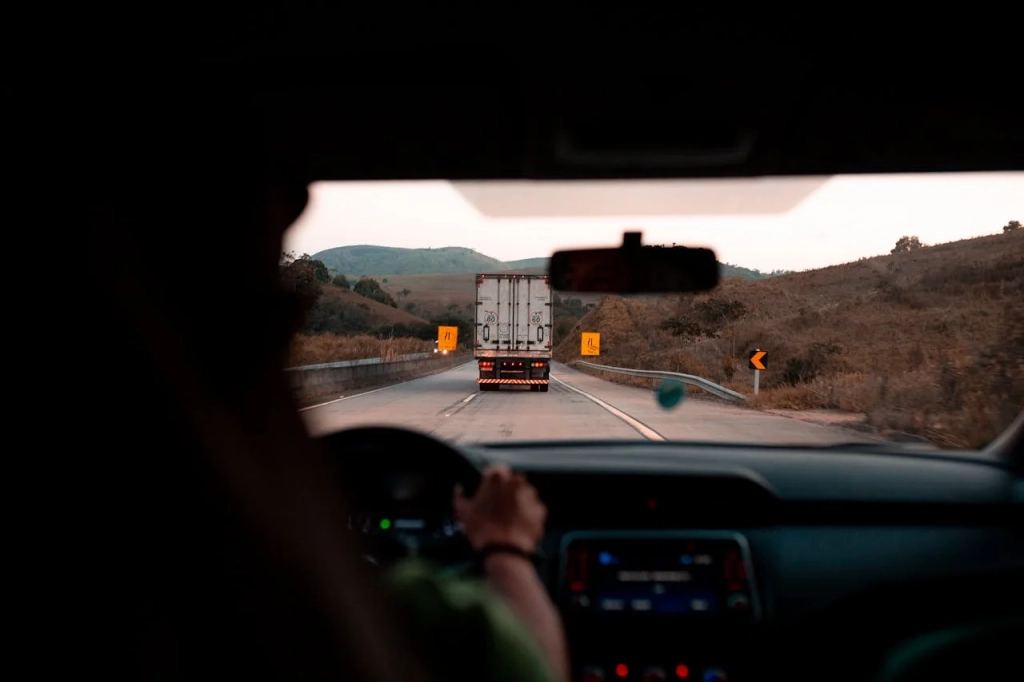
The work environment of a truck driver in Europe is one of the most unique and mobile professional settings in the world. While you may spend the majority of your shift (often 8 to 10 hours) inside the cabin, your “office” is a constantly evolving landscape that shifts from the industrial ports of Antwerp and Rotterdam to the high-speed transit corridors of the German Autobahn.
This role demands a high degree of adaptability, as your surroundings transition hourly between quiet weigh stations, specialized truck stops, and high-pressure warehouse loading docks.
Life on the Road
For those in long-haul positions, the truck becomes a second home. You will navigate a lifestyle that balances the solitude of the open road with the community found at European “Autohof” rest areas. In the heart of Europe, these facilities are designed for the modern driver, offering everything from showers and hot meals to secure parking zones.
While being away from home for days or weeks requires personal resilience and organisation, it provides a unique perspective on the continent that few other professions can offer, as you rest and recharge in different regions every night.
Navigating the Elements
Weather is a primary factor in your daily workspace and requires a vigilant, professional mindset. Driving through the lowlands of the Netherlands can mean battling intense crosswinds and heavy rain, while routes through southern Germany or towards the borders of Belgium often involve navigating snow and ice during the winter months.
These conditions transform the job from a standard transit task into a high-stakes safety operation, where your expertise in handling a heavy vehicle during inclement weather is the difference between a successful delivery and a costly delay.
Independence and Autonomy
One of the most rewarding aspects of the European driving environment is the significant level of autonomy you are granted. Once you leave the depot, you are the captain of your vehicle, responsible for making real-time decisions regarding route efficiency and safety.
This independence is balanced by a system of digital accountability. Your performance, speed, and adherence to safety protocols are monitored through advanced telematics and meticulous logbook management via the digital tachograph. This creates a professional atmosphere where you are trusted to manage your own time and workflow, provided you remain within the strict, transparent boundaries of European transport law.
Becoming the King of The Road
Whether you are looking for work in Germany, the Netherlands, or Belgium, you shouldn’t forget that truck driving is more than just a job.
It is a critical profession that keeps the global economy moving. By mastering the balance between road safety, regulatory compliance, and efficient logistics, drivers ensure that the goods we rely on every day reach their destinations. While the lifestyle requires physical stamina and a commitment to life on the road, it offers a level of freedom and job security that few other careers can match.
If you are ready to take the wheel, focus on maintaining a clean record and obtaining the right certifications to navigate your way to a successful career in the transport industry. Are you looking for a job? Feel free to register on Robin to look for opportunities.